Features
The current official catalogue record does not provide a detailed feature list for TDL32. Use the model name and listed specifications as the technical reference, and confirm any missing requirement before ordering.


Liên hệ
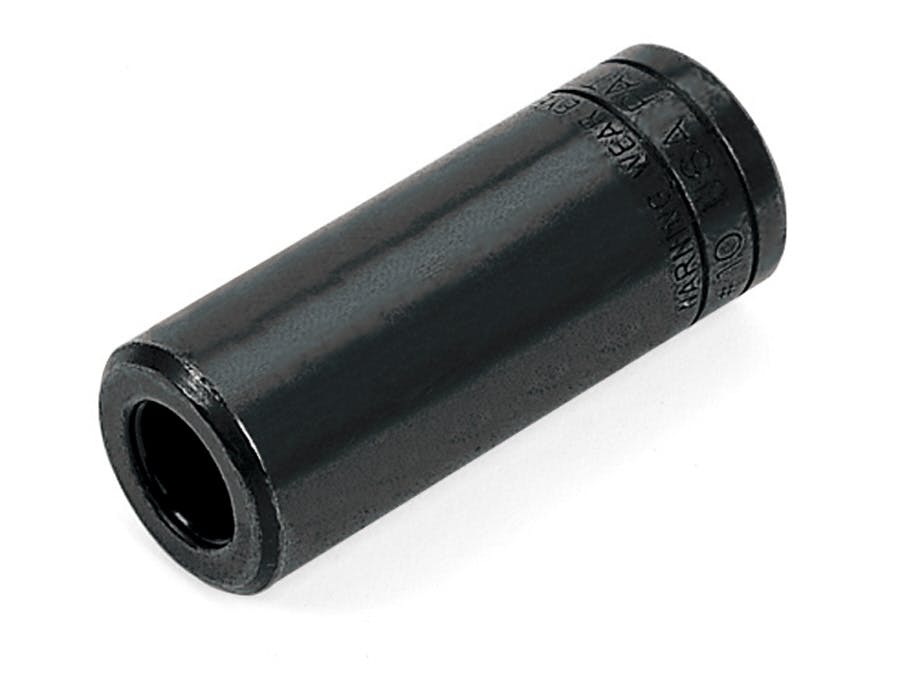
TDL32 — 1/2" Drive 11/16" Tap Socket (Blue-Point®). Hold a compatible tap with the stated drive connection.
Official catalogue country of origin: USA.
TDL32 — 1/2" Drive 11/16" Tap Socket (Blue-Point®). Hold a compatible tap with the stated drive connection.
Fabrication, equipment repair and maintenance workshops are potential users for compatible thread-service tasks.
These industry examples are selection guidance, not additional manufacturer approvals.
A tap socket is a holder, not a cutting tap. Verify the shank fit and intended drive method before use.
The table compares the listed model details. These are selection options, not confirmed replacements. Check the differences against your task and existing equipment.
| Compare | TDL32 | TDL31 | TDL33 |
|---|---|---|---|
| Official model description | TDL32 — 1/2" Drive 11/16" Tap Socket (Blue-Point®) | TDL31 — 1/2" Drive 5/8" Tap Socket (Blue-Point®) | TDL33 — 1/2" Drive 3/4" Tap Socket (Blue-Point®) |
| Square Size, inches | .406 | .360 | .442 |
| Fits Metric Size Taps | 18 mm | 16 mm | — |
| Shank Dia., inches | .542 | .480 | .590 |
| Fits SAE Size Taps | 11/16 | 5/8 | 3/4 |
A tap socket holds the tap; it is not itself the cutting tap. Start by checking the tap shank and the square that the holder must engage. Then check the drive connection on the other side. Both interfaces need to match the planned arrangement. A socket format can be relevant where a conventional tap handle has limited access, but the available space and the tool instructions still determine whether the setup is suitable.
For a set, compare the actual supported tap sizes with the workshop’s thread-service tasks. More holders do not automatically provide the missing size. Also, distinguish a replacement holder from a complete assortment. The cutting method, lubricant and suitability for a particular material belong to the tap manufacturer’s guidance and the component procedure. Do not treat the socket listing as an approval for powered tapping. Include the tap details and intended drive method when asking for a model-specific selection check.
Define the intended job in practical terms before comparing options. Record the equipment or component involved, the operation to perform and the access available around it. Include the current tool or accessory if this purchase replaces an existing item. That context helps distinguish a size change from a different product function. It also makes the application and industry examples above easier to assess against the actual work.
The official listing identifies this model as 1/2" Drive 11/16" Tap Socket (Blue-Point®). Its catalogue grouping is Special Purpose / 1/2" Drive Tap Sockets. Use that description to identify the product format, then read the individual specifications for the details that matter to the job. A category describes where the product sits in the range; it is not an additional compatibility approval.
For this record, the available specification labels include Square Size, inches; Fits Metric Size Taps; Length, inches. Read each value together with its label and unit. A drive size, external dimension and working range describe different things, even if their numbers look similar. If the job requires a value that is not listed, request that detail before ordering instead of estimating it from the photograph.
The catalogue country-of-origin field is USA. This field concerns the listed product origin; it does not identify local inventory, delivery time or the warranty terms of a Vietnam quotation. Confirm those commercial details separately.
The comparison above names TDL31 and TDL33. Review the displayed differences against the requirement for this job. Begin with function and compatibility, then compare access, configuration and included components. If the names differ by size, drive, colour or kit format, identify which difference matters before making a choice. Similar models are not automatic replacements, and a larger or more expensive option is not necessarily the better match.
Ask for a line-item description of the supplied configuration. For a set or kit, confirm the contents; for a component, confirm the quantity and the matching parent model where relevant. If photographs show a larger assembly or several items, do not assume all of them form part of this SKU. Keep any essential accessories and documents explicit in the quotation so that receiving checks can follow the same requirements.
On receipt, compare the item and its packaging with the ordered model, quantity and configuration. Check the supplied components and any requested documentation. Keep the product identification visible in the workshop’s inventory record. If the delivered item differs from the confirmed order, resolve that difference before assigning it to the planned job. This is especially useful when a range contains visually similar sizes or accessories for different parent tools.
For continued use, follow the manufacturer’s instructions for inspection, cleaning, storage and maintenance. Do not assume that a cleaning chemical, lubricant or maintenance method used on another tool is suitable here. Keep damaged or uncertain equipment out of the planned task until its condition is assessed. Record any replacement parts by model so future orders use the confirmed reference rather than a visual guess.
Send Techmaster Vietnam the model number TDL32 and details of your task or existing equipment. Include any required sizes, connections and accessories. This helps identify the correct configuration.
Before ordering, confirm the quotation, lead time, package contents and applicable warranty terms. The official catalogue is the technical reference; it does not establish local stock or a Vietnam selling price.
For the source record, see the official Snap-on product listing. You can also browse the Vietnam product catalogue for related tools.