Features
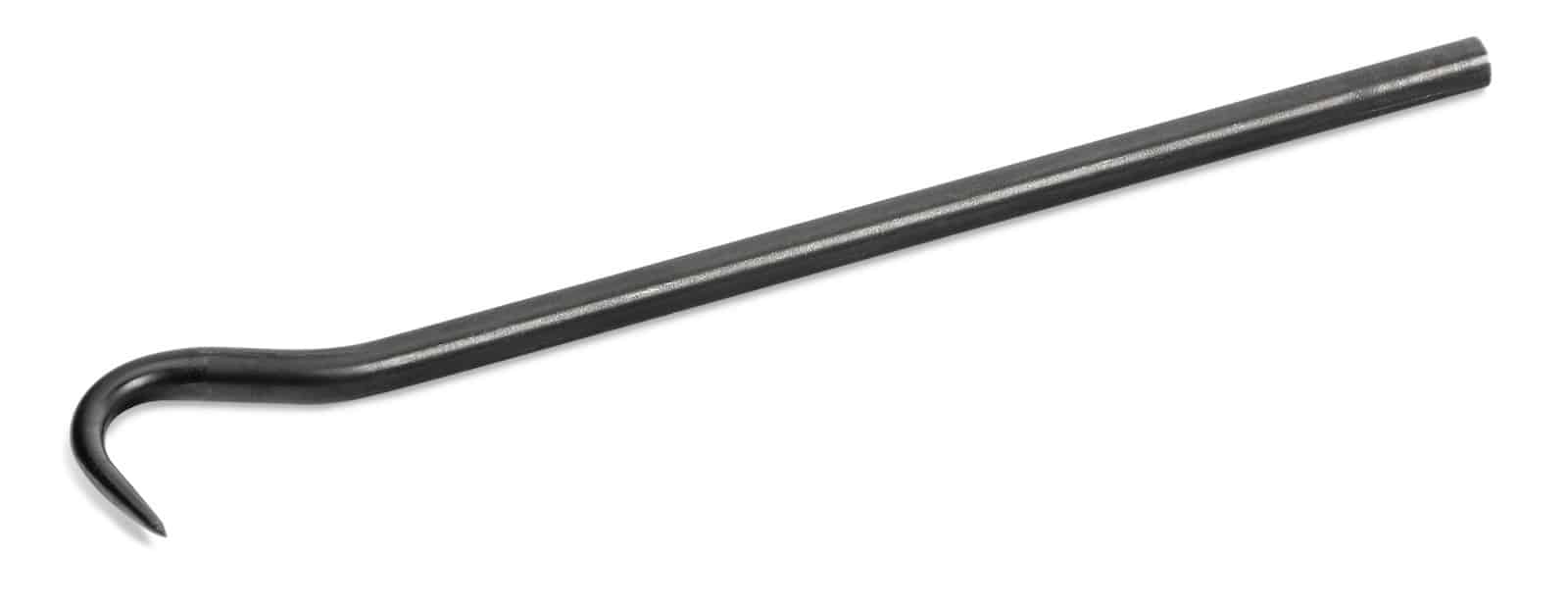
• Black oxide finish protects the strong chrome-vanadium shaft


Liên hệ
PSLRQC4LT-4 — Lighted Hook Pick (Blue-Point®). Reach, position or pick small components where tip shape and reach matter.
PSLRQC4LT-4 — Lighted Hook Pick (Blue-Point®). Reach, position or pick small components where tip shape and reach matter.
Mechanical assembly, automotive repair and maintenance workshops are potential users for suitable small-component tasks.
These industry examples are selection guidance, not additional manufacturer approvals.
Sharp tips can damage seals or finished surfaces. Select the profile for the task and follow the component’s service procedure.
The table compares official catalogue details. These are selection options, not confirmed replacements. Check the differences against the task and existing equipment.
| Compare | PSLRQC4LT-4 | PSLRQC4LT-2 View product | PSLRQC4LT-3 View product |
|---|---|---|---|
| Official model description | PSLRQC4LT-4 — Lighted Hook Pick (Blue-Point®) | PSLRQC4LT-2 — Lighted Complex Pick (Blue-Point®) | PSLRQC4LT-3 — Lighted 90° Pick (Blue-Point®) |
For PSLRQC4LT-4, verify the required task, working range, interface dimensions and package contents against the official catalogue details. This final check helps prevent ordering a visually similar model with a different fit or capability.
Choose the tip shape around the component and the direction of access. A straight awl, a hook and an angled pick reach differently, even when their overall lengths are similar. Compare the listed tip form, blade dimensions and handle arrangement. The smallest tool is not always the best choice if the required reach or control is missing.
Next, consider the surface that the tip will contact. Seals, soft materials and finished surfaces may be vulnerable to damage, so follow the component service procedure and the tool’s stated application. Do not treat a pointed tool as a general pry bar or assume an electrical rating from the grip. For an assortment, compare the actual tip shapes rather than the number of pieces alone. If the purchase replaces a tool, describe the existing model and the access problem that needs to change. Keep the selected profile in the workshop inventory record.
Define the intended job in practical terms before comparing options. Record the equipment or component involved, the operation to perform and the access available around it. Include the current tool or accessory if this purchase replaces an existing item. That context helps distinguish a size change from a different product function. It also makes the application and industry examples above easier to assess against the actual work.
The official listing identifies this model as Lighted Hook Pick (Blue-Point®). Its catalogue grouping is Standard and Extra Long Awls, Hooks and Picks / Picks and Scribes/Interchangeable. Use that description to identify the product format, then read the individual specifications for the details that matter to the job. A category describes where the product sits in the range; it is not an additional compatibility approval.
The current record does not provide a complete dimensional specification table for this item. The model description and any listed features remain useful references, but they do not justify filling in missing dimensions, capacities or approvals. If fit depends on a measurement or a particular parent tool, identify that requirement in the inquiry and obtain confirmation before choosing the item.
The catalogue country-of-origin field is CHN. This field concerns the listed product origin; it does not identify local inventory, delivery time or the warranty terms of a Vietnam quotation. Confirm those commercial details separately.
The comparison above names PSLRQC4LT-2 and PSLRQC4LT-3. Review the displayed differences against the requirement for this job. Begin with function and compatibility, then compare access, configuration and included components. If the names differ by size, drive, colour or kit format, identify which difference matters before making a choice. Similar models are not automatic replacements, and a larger or more expensive option is not necessarily the better match.
Ask for a line-item description of the supplied configuration. For a set or kit, confirm the contents; for a component, confirm the quantity and the matching parent model where relevant. If photographs show a larger assembly or several items, do not assume all of them form part of this SKU. Keep any essential accessories and documents explicit in the quotation so that receiving checks can follow the same requirements.
On receipt, compare the item and its packaging with the ordered model, quantity and configuration. Check the supplied components and any requested documentation. Keep the product identification visible in the workshop’s inventory record. If the delivered item differs from the confirmed order, resolve that difference before assigning it to the planned job. This is especially useful when a range contains visually similar sizes or accessories for different parent tools.
For continued use, follow the manufacturer’s instructions for inspection, cleaning, storage and maintenance. Do not assume that a cleaning chemical, lubricant or maintenance method used on another tool is suitable here. Keep damaged or uncertain equipment out of the planned task until its condition is assessed. Record any replacement parts by model so future orders use the confirmed reference rather than a visual guess.
Send Techmaster Vietnam the model number PSLRQC4LT-4 and details of the task or existing equipment. Include any required sizes, connections and accessories.
Before ordering, confirm the quotation, lead time, package contents and applicable warranty terms. The official catalogue is the technical reference; it does not establish local stock or a Vietnam selling price.
For the source record, see the official Snap-on product listing. You can also browse the Vietnam product catalogue for related tools.